Đồng Tháp: Sarus Cranes and Sa Đéc Flower Village
The least-touristed Mekong province — Tràm Chim cranes, Sa Đéc's centuries-old flower-growing village, and the setting of Marguerite Duras's 'The Lover.'
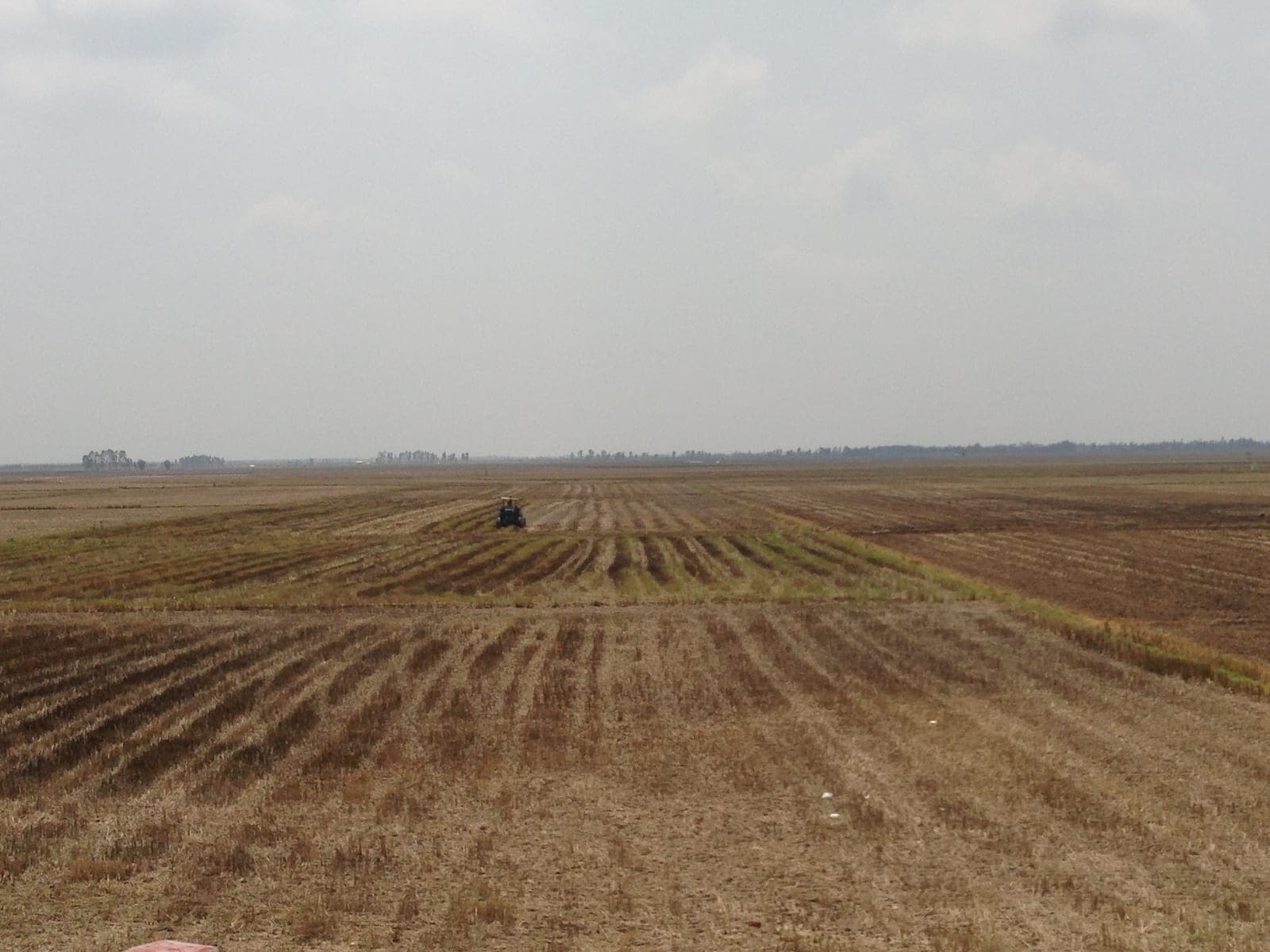
Đồng Tháp is the Mekong province that most non-Vietnamese visitors skip. It sits north of An Giang on the Plain of Reeds — a vast seasonally-flooded wetland that supports rice, lotus, and unique birdlife. Two genuine reasons to visit: Tràm Chim National Park (sarus cranes and wetland birding) and Sa Đéc (the flower-growing village from Marguerite Duras's The Lover).
What's distinctive
Tràm Chim National Park
A 7,500-hectare Ramsar wetland that hosts the sarus crane — the world's tallest flying bird and a globally vulnerable species. The cranes overwinter here from December to May; the rest of the year the park is still rich birding country but the headline species are absent.
The park is accessible by boat through the wetland channels. Knowledgeable guides essential. Combined with quiet rural-Vietnamese homestay overnight on the park edge.
Sa Đéc flower village
A working flower-and-bonsai village dating to the 1850s. Streets of glasshouses growing chrysanthemums, marigolds, orchids, and bonsai for the Tết market. Most atmospheric in the lead-up to Tết (December–January) when production peaks.
Sa Đéc is also famous as the home town of Huỳnh Thủy Lê — the Chinese-Vietnamese man whose teenage affair with French writer Marguerite Duras became her novel L'Amant (The Lover). His ancestral house is preserved and open as a museum. The novel's 1992 film adaptation was filmed partly here.
Cao Lãnh
The provincial capital. Lotus fields in summer (June–August), the Nguyễn Sinh Sắc tomb (Hồ Chí Minh's father), and Xẻo Quít former Việt Cộng base from the war.
Gáo Giồng eco-tourism area
A smaller wetland reserve about 30 km from Cao Lãnh — boat tours, birdlife, lotus fields. More accessible than Tràm Chim if time is short.
How to get there
From Ho Chi Minh City: 4 hours by bus or car to Cao Lãnh or Sa Đéc.
From Cần Thơ: 1.5 hours north.
From An Giang (Châu Đốc): 2 hours east.
No flights, no train.
When to visit
- December–May: sarus crane season at Tràm Chim.
- December–January: flower village peak (Tết preparation).
- June–August: lotus blossom season around Cao Lãnh.
Where to stay
Limited tourist accommodation. Business hotels in Cao Lãnh and Sa Đéc. A handful of homestays near Tràm Chim.
Food
- Hủ tiếu Sa Đéc — the Sa Đéc-style southern noodle soup, considered one of the best regional variants.
- Cá lóc nướng — grilled snakehead fish, common across the delta but particularly good here.
- Bánh phồng tôm Sa Giang — shrimp crackers; the Sa Giang brand from Sa Đéc is nationally distributed.
- Lotus everything — lotus seed sweets, lotus stem salad, lotus tea.
Tiền Giang
Tiền Giang, whose capital was Mỹ Tho, is now part of Đồng Tháp — it was the Mekong Delta's most accessible day-trip hub from Ho Chi Minh City, built around the four-island boat tour.
Mỹ Tho sits 90 minutes from HCMC by car or bus (no train), on the HCMC–Cần Thơ highway, making it the standard one-day Mekong trip for first-time visitors. The signature experience is a small-boat tour of four river islands: Cồn Phụng (Phoenix Island), the Coconut Monk's former headquarters and now a tourist village; Cồn Quy (Tortoise Island), for orchard tours with sticky rice and fruit tastings; Cồn Long (Dragon Island), for coconut candy workshops and honey tea with kumquat; and Cồn Tới (Unicorn Island), reached by narrow-canal sampan with traditional southern Vietnamese music (cải lương / đờn ca tài tử) performed along the way. A typical circuit boards at the Mỹ Tho ferry pier, cruises by big boat to the first island, walks a fruit orchard for tastings and honey tea, watches a coconut-candy or rice-paper demonstration, transfers to a sampan through the canals, and lunches on one of the islands before returning.
Costs run $20–40 for a HCMC group tour, $80–150 for a private version, $25–60 driving yourself and hiring a boat at the pier, or $10–20 by bus from Mien Tay station plus boat.
Beyond the islands, Vĩnh Tràng Pagoda — a 19th-century pagoda with Hindu-influenced architecture, about 10 minutes by motorbike from the centre — is the most-photographed religious site in Mỹ Tho. The Cái Bè floating market, just over the old provincial line in Vĩnh Long, is declining as wholesale trade moves onto land; go before 6 am or skip it. The Mỹ Tho riverfront is pleasant at sunrise and sunset.
Grab is reliable in town (3,000–5,000₫ for in-town trips) and motorbike rental runs 50,000–80,000₫ per day. Accommodation is limited to a handful of mid-range riverside hotels — Mekong Lodge and Mekong Riverside Boutique Resort are the more atmospheric options — since most visitors return to HCMC the same day rather than stay over.
Honest take
Đồng Tháp is for travellers with time, an interest in wetlands or birdlife, and a tolerance for sparse tourist infrastructure. It rewards the patient. For first-time Mekong visitors, Bến Tre or Cần Thơ gives more for less effort.
For The Lover literary pilgrimage, Sa Đéc is essential and easily added as a day trip from Cần Thơ.
Quick verdict
Đồng Tháp is Vietnam's quiet Mekong sanctuary — home to the world's tallest flying bird (sarus cranes) at Tràm Chim and the centuries-old flower village of Sa Đéc that inspired Marguerite Duras. It's the least touristed province in the delta, which rewards patient travellers with deep wetland birdlife, literary history, and an authentic rice-lotus-flower economy few outsiders witness. Expect minimal English, modest homestays, and landscapes that shift with the monsoon rather than crowds.
Best for / not ideal for
Best for:
- Serious birders and wetland ecologists (December–May for sarus cranes; year-round for herons, eagles, storks)
- Literary tourists retracing The Lover pilgrimage to Sa Đéc and Huỳnh Thủy Lê's ancestral home
- Slow travellers who prefer homestays, boat guides, and rural immersion over resort infrastructure
Not ideal for:
- First-time Mekong visitors (limited English, fewer restaurants, sparse mid-range hotels)
- Package-tour groups or short stopover travellers (needs 2–3 nights minimum to justify the detour)
How long to stay
Day trip from Cần Thơ is possible for Sa Đéc flower village (4 hours round-trip by minivan, ~250,000 VND), but Tràm Chim demands an overnight. Ideal stay is 2 nights — one for wetland birding and homestay near the park, one for Sa Đéc flowers and the Duras museum. Base yourself in Cao Lãnh or stay in a park-edge guesthouse and do a same-day car rental to Sa Đéc town.
Climate by month
Best months: December–May. Sarus cranes overwinter November–May; dry season (cool, low humidity, minimal rain) runs December–April. June–August brings lotus bloom around Cao Lãnh but also heat (38°C+) and occasional flooding. Avoid September–October (peak monsoon, waterlogged parks, high humidity).
Day trips from here
- Cần Thơ — 1.5 hours south; floating markets, Mekong riverside. Standard lunch-and-return.
- Sa Đéc flower village — 45 min by car from Cao Lãnh; walk the glasshouse streets, visit the Lover museum, eat hủ tiếu.
- Gáo Giồng wetland — 30 km from Cao Lãnh; smaller boat-tour alternative to Tràm Chim if weather rough.
- Cao Lãnh — local capital, Hồ Chí MinhHồ Chí Minh (Ho Chi Minh)hoh chee minLargest city in Vietnam, formerly Sài Gòn; the commercial and economic capital of the country in the south.'s father's tomb, lotus fields (summer). Base for regional exploring.
- An Giang (Châu Đốc) — 2 hours west; Mekong meeting point, temples, carpet weaving villages.
Local transport
Grab is available in Cao Lãnh and Sa Đéc (7,000–15,000 VND in-town; 200,000+ VND to Tràm Chim). Motorbike taxis (xe ôm) crowd the streets but drivers rarely speak English — gestures required. Tourist minivans can be rented through your guesthouse (500,000–800,000 VND/day including driver for 2–4 people). Tràm Chim visits require a guide boat (negotiate through homestays or the visitor centre, 600,000–1,200,000 VND for 4–6 hours depending on group size). Walking is feasible in Sa Đéc town centre but distances to flower villages require transport. No internal buses to Tràm Chim; solo travellers should book group boat tours via Cần Thơ agencies if no homestay contact exists.
Frequently asked questions
When is the best time to see the sarus cranes at Tràm Chim?
Can Đồng Tháp be visited as a day trip from Cần Thơ?
Is Đồng Tháp a good choice for first-time Mekong Delta visitors?
Continue reading
Comments
No comments yet.