Huế: The Imperial Capital
The Nguyễn-dynasty capital from 1802 to 1945 — Citadel, royal tombs, court cuisine, and a quiet city on the Perfume River.
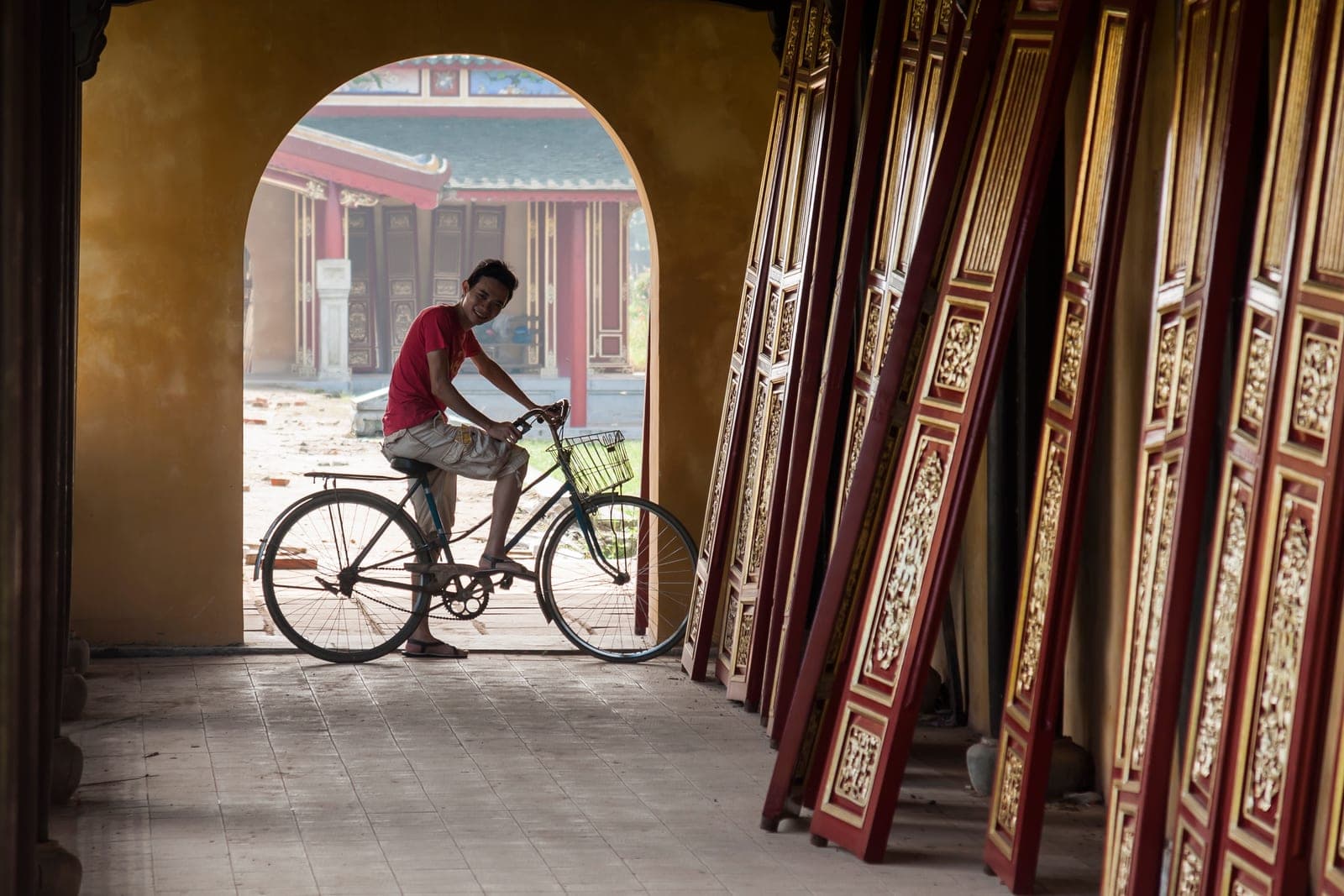
Huế was the capital of the Nguyễn dynasty from 1802 to 1945 and is still the seat of the country's most refined classical culture. It sits on the Perfume River (Sông Hương) in central Vietnam, with the Imperial Citadel on the north bank and most modern hotels and restaurants on the south bank.
The city is quieter and more traditional than Hanoi or HCMC. About 450,000 people. A standard 2-night stop on the Hanoi–HCMC tourist route.
What to see
The Citadel
The walled imperial city, modeled on Beijing's Forbidden City but smaller and more intimate. Two concentric walled compounds:
- The outer Citadel — 10 km of walls, with the Ngọ Môn (Meridian Gate) as the iconic entrance.
- The Forbidden Purple City (Tử Cấm Thành) — inner imperial precinct.
The Citadel was heavily damaged in the 1968 Tet Offensive — North Vietnamese forces held the citadel for 25 days and the US/ARVN counterattack flattened large sections. Restoration is ongoing.
Allow at least 3 hours.
The royal tombs
Each Nguyễn emperor built his own elaborate tomb complex. The most-visited:
- Tomb of Khải Định — the most ornate, with European architectural influence and an extraordinary mosaic-tiled interior. Built 1920–31.
- Tomb of Tự Đức — the most poetic and atmospheric; a lakeside complex where the emperor lived during his reign.
- Tomb of Minh Mạng — the most classically Vietnamese in design.
The tombs are spread along the Perfume River south of the city. A dragon-boat trip down the river takes in several of them and Thiên Mụ Pagoda.
Thiên Mụ Pagoda
The seven-tier octagonal pagoda on the Perfume River, founded 1601. The most-photographed image of Huế. The car of the monk Thích Quảng Đức — who self-immolated in Saigon in 1963 in protest at the Diệm regime — is preserved here.
DMZ tours
Day tours from Huế go north to the Demilitarised Zone at the 17th parallel — the old border between North and South Vietnam (1954–1975). Common stops: Vĩnh Mốc tunnels, Hiền Lương Bridge, the Khe Sanh combat base. Half- or full-day tours.
Food
Huế has the country's most elaborate regional cuisine — the royal court developed a tradition of small, multi-dish meals. Standout dishes:
- Bún bò Huế — spicy beef-and-pork noodle soup, lemongrass-forward, the city's most famous dish.
- Bánh khoái — central-style crispy rice-flour pancake.
- Bánh bèo — small steamed rice-flour cakes topped with dried shrimp.
- Cơm hến — clam rice from the Perfume River.
- Bún hến — clam vermicelli soup.
- Court cuisine multi-dish set meals — restaurants like Tịnh Gia Viên and Y Thảo Garden specialise.
Practical
- Huế has a small airport (Phú Bài, ~30 min from city) with domestic flights from HCMC and Hanoi.
- The train is the most pleasant way to arrive from Đà NẵngĐà Nẵng (Da Nang)dah nangMajor coastal city in central Vietnam, known for its beaches, the Marble Mountains, and modern infrastructure. (2.5 hr along the coast) or from Hanoi (overnight).
- Walking + Grab covers most of what you'll want to do; bicycle rentals available.
- 2 nights is standard; one day for the Citadel, one for the tombs.
When to visit
- February–April — dry and warm; best weather.
- May–August — very hot, often 38°C+.
- September–December — rainy season; Huế sees serious flooding most years.
Quick verdict
Huế is Vietnam's clearest window into classical imperial culture — a walled city built as a replica of Beijing's imperial capital, but quieter and more walkable than either Hanoi or HCMC. The Citadel and royal tombs are the main draw, along with the country's most elaborate regional cuisine. It's not a beach town or adventure destination; it rewards slow, contemplative exploration.
Best for / not ideal for
Best for:
- History and heritage buffs wanting to understand the Nguyễn dynasty and imperial architecture
- Foodies seeking the subtlety of central Vietnamese court cuisine
- Solo travelers and couples wanting a cultural base on the Hanoi–HCMC route
Not ideal for:
- Beach-focused holidays (the coast is 100 km away)
- Nightlife-seeking travelers — Huế is quiet and traditional
How long to stay
Two nights minimum to see the Citadel (a half-day) and the royal tombs (a half-day with boat trips); three nights ideal if you want to add a DMZ day-trip or linger over food. A single night leaves little time to decompress.
Climate by month
Best visit is February–April when temperatures stay 20–30°C and humidity is moderate. Avoid May–August (38°C+ heat), and September–December when the city experiences monsoon rains and regular flooding. See /practical/weather-by-month for the full reference.
Day trips from here
- Thiên Mụ Pagoda (on the Perfume River) — seven-tier octagonal pagoda with views across the valley; most visitors combine this with a dragon-boat tomb tour.
- DMZ (Demilitarised Zone) — half-day tour north to the old 17th-parallel border; stops at Vĩnh Mốc tunnels and Hiền Lương Bridge.
- Phong Nha–Ke Bang (1.5 hr south) — limestone karst and cave complex; a full day if you want caving or zip-lining.
- Đà Nẵng (2.5 hr by train or car) — beaches, My Khe, and easier onward connections.
Local transport
Grab is the dominant app for taxis; most rides around the city cost 50,000–150,000 VND. Bicycle rentals are cheap and popular for reaching the tombs on the south bank. Walking the city centre is pleasant. The Perfume River ferries and dragon boats are tourist services, not local transport, but offer the most scenic way to see the tombs.
Frequently asked questions
How many days should I spend in Huế?
What are the must-see sights in Huế?
When is the best time of year to visit Huế?
Continue reading
Comments
No comments yet.